⬆︎
Sushi Land
Reducing missed takeout pickups by improving time awareness.
Helping users stay on time without relying on memory.
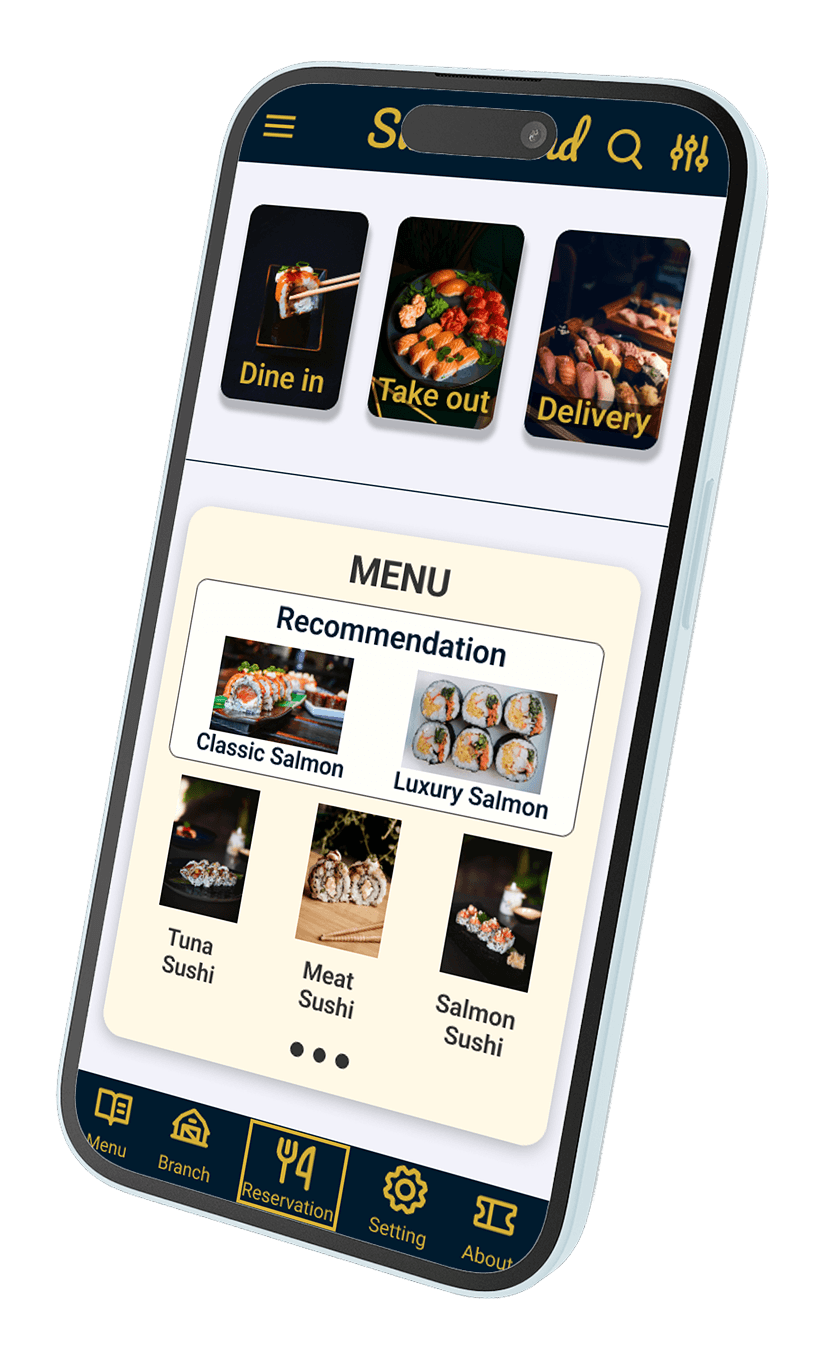
Project Overview
Sushi Land is a mobile app concept that addresses a common but often overlooked issue in takeout experiences—missed pickups.
The design focuses on reducing missed pickups by integrating pickup timing into users’ existing routines, making it easier to stay aware of time in busy, real-life situations.
Problem
Users often miss scheduled takeout pickups because pickup timing is not seamlessly integrated into their daily routines.
This is especially common in time-sensitive situations where users are managing multiple tasks.
Insight
Users do not lack the intention to pick up their orders, but often lose track of time in busy routines where attention is divided across multiple tasks.
As a result, even when pickup information is recorded, it is easily overlooked at critical moments.
Key Design Decision
Instead of relying on one-time reminders, the design creates continuous awareness of pickup time through a countdown-based system.
This decision is based on the limitation that one-time reminders are easy to miss in busy, interrupt-driven situations.
While allowing users to reschedule pickup times could more directly prevent missed pickups, this approach introduces operational challenges for restaurants, especially in time-sensitive and high-volume situations.
To ensure feasibility within real-world constraints, the design prioritizes improving users’ time awareness rather than modifying restaurant workflows.
By making time continuously visible rather than event-based, the design reduces the likelihood of users losing track of time during busy routines.
Solution
Time awareness through continuous visibility
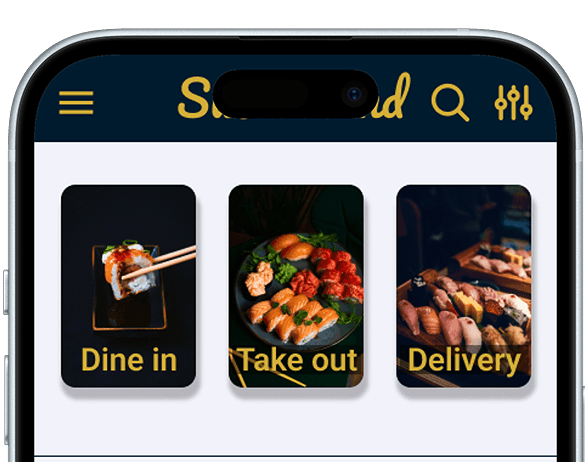
Without countdown awareness
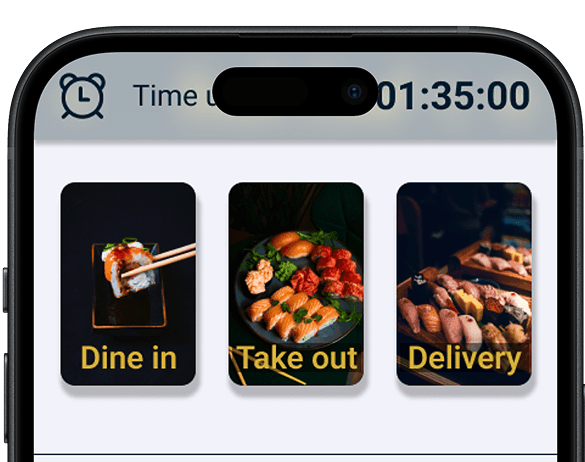
With countdown awareness
Instead of requiring users to recall pickup time, the design reduces reliance on memory by keeping pickup time continuously visible within the interface.
Native calendar sync
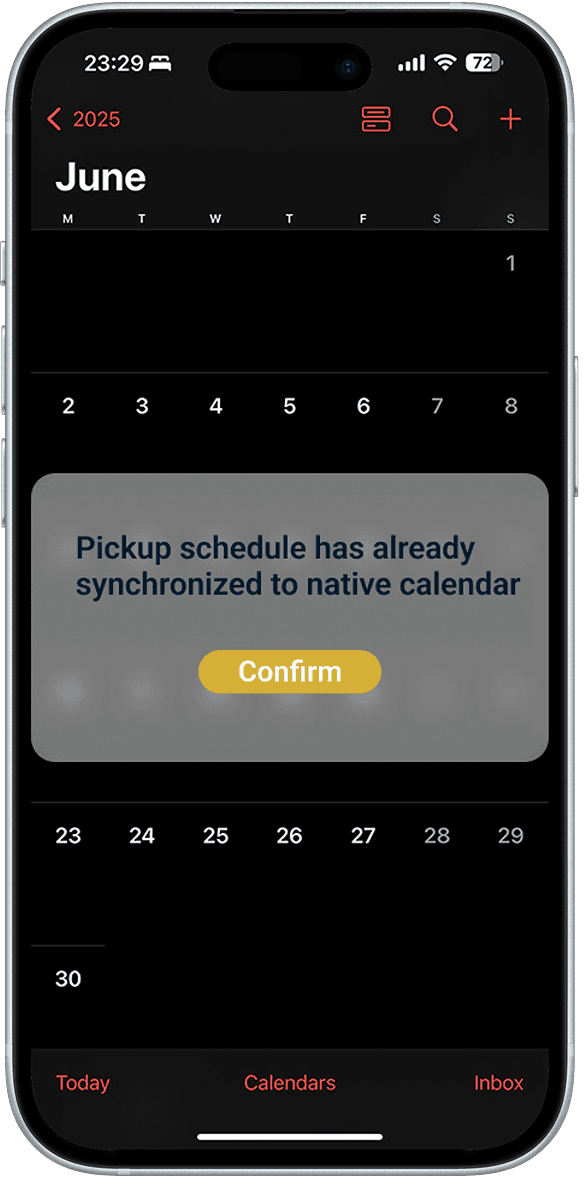
Pickup information is synced with the user’s native calendar, reducing the need to check multiple sources.
Real-time pickup navigation
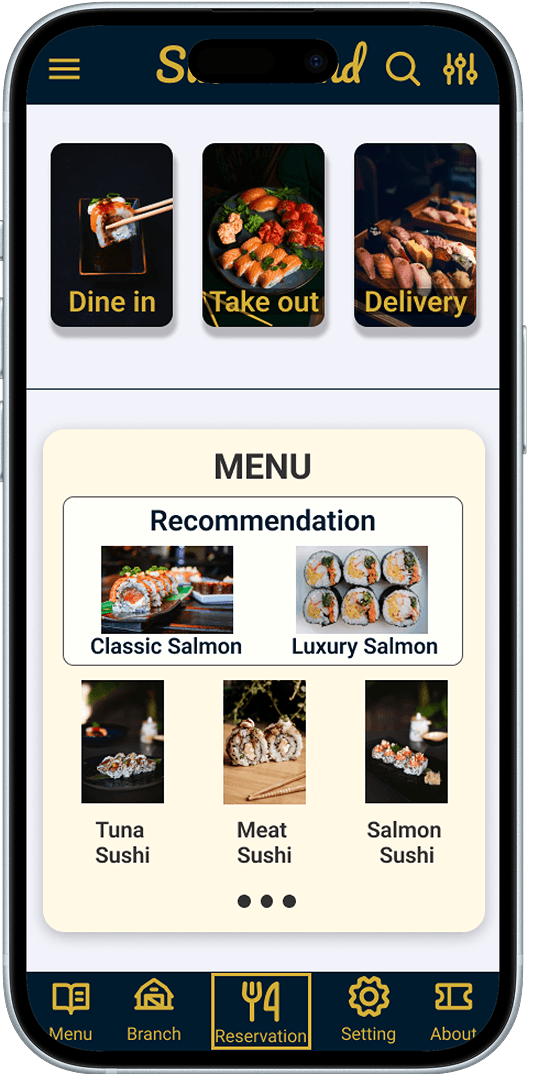
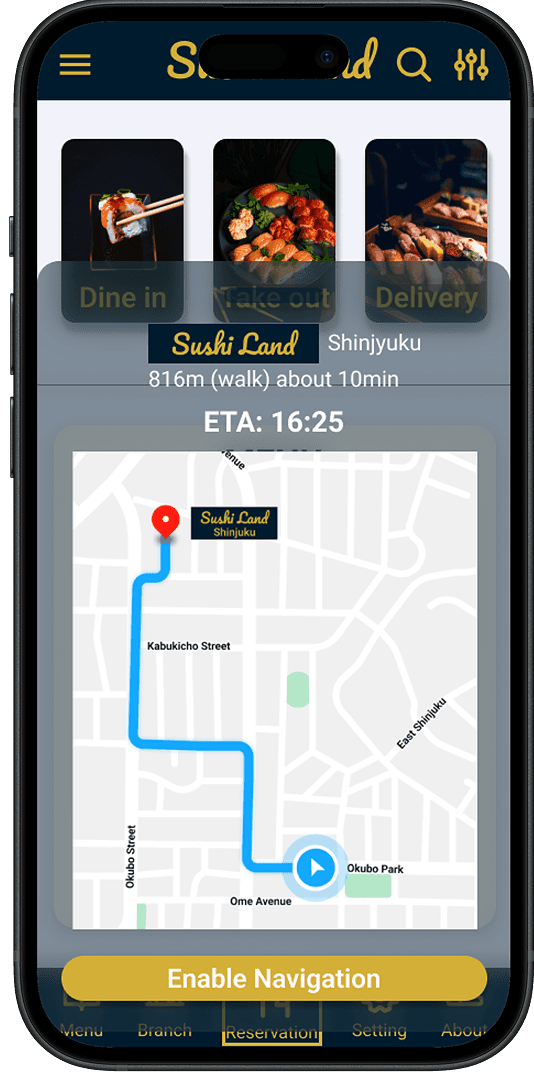
At pickup time, real-time navigation helps users reach the correct location without hesitation, reducing last-minute uncertainty.
Impact
By making pickup time continuously visible, the design reduces reliance on memory, a key factor in missed pickups.
This leads to a more reliable takeout experience, helping users stay aligned with their schedules and reducing last-minute uncertainty.
For restaurants, fewer missed pickups can help minimize wasted orders and improve operational efficiency.
Evaluation
Light usability testing with a small number of participants provided initial directional feedback on the design.
Participants were generally able to follow the pickup flow and locate timing information without additional explanation.
Some participants also indicated that the countdown feature made it easier to stay aware of pickup timing during the flow.
Due to the limited scope of testing, these observations are indicative rather than conclusive, and further validation would be required to measure long-term behavioral impact.
Reflection
This project involved evaluating multiple possible directions, including improving time awareness and enabling flexible rescheduling.
Rather than expanding the feature scope, the design prioritizes improving users’ awareness within their existing routines, allowing for a more focused and feasible solution.
This reflects an approach to UX design that emphasizes making clear trade-offs and delivering impact through constrained scope, rather than addressing multiple problems at once.
More complex features such as rescheduling remain potential directions for future development, but would need to be carefully introduced to balance user flexibility with operational constraints.